

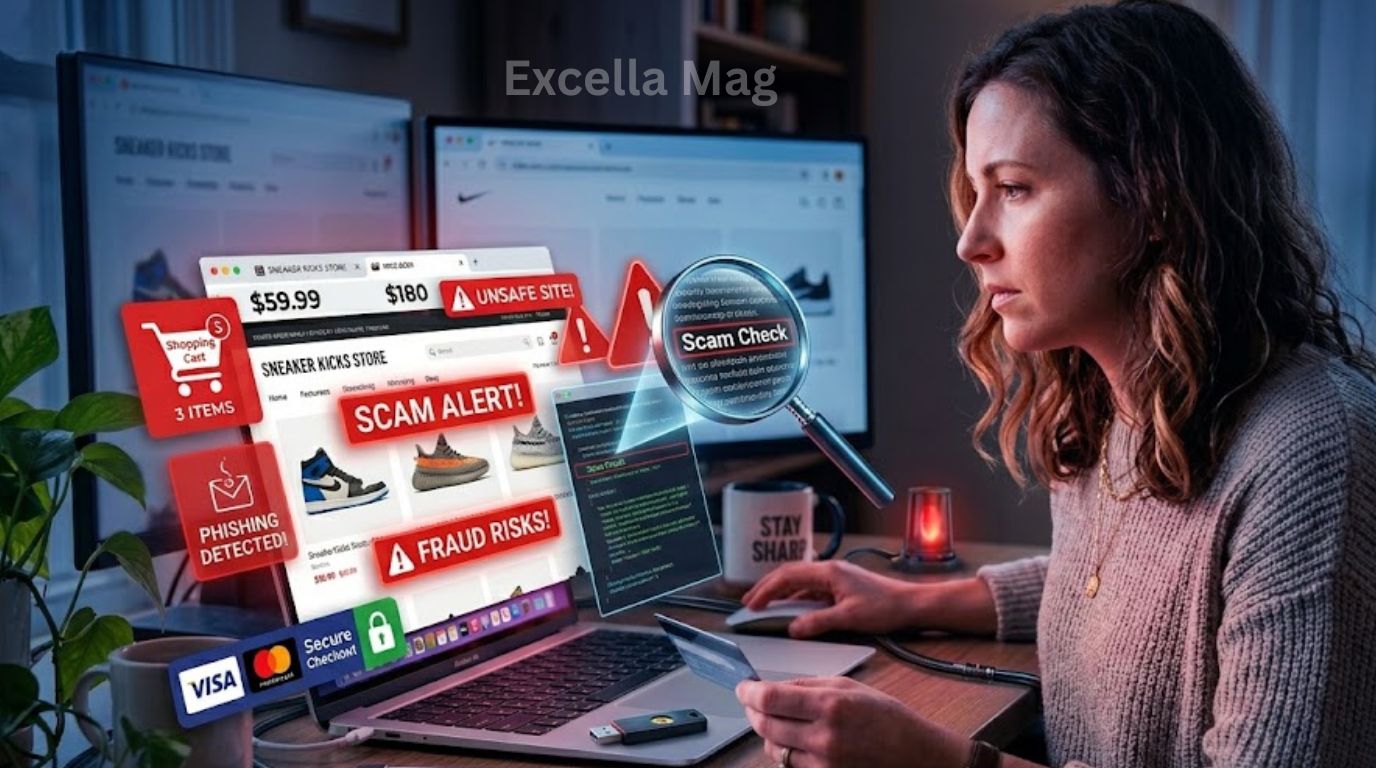
Buying shoes online has become second nature for most shoppers. From limited-edition sneakers to affordable casual footwear, online stores promise convenience, discounts, and fast delivery. But alongside legitimate retailers, hundreds of questionable e-commerce websites continue to appear every year. One store that has recently sparked curiosity and concern is “BestShoesEverShop.”
If you searched for a “BestShoesEverShop scam check,” chances are you already noticed a few warning signs. Maybe the prices looked unrealistically cheap. Perhaps the website lacked clear company information, or you saw mixed customer reviews online. In today’s digital shopping environment, those concerns are valid.
The biggest issue with suspicious online shoe stores is that many are designed to look professional at first glance. They often use attractive product images, countdown sales, and fake trust badges to create urgency and credibility. Unfortunately, many buyers only discover problems after placing an order. Delayed shipping, poor-quality products, missing refunds, or complete non-delivery are common complaints associated with questionable stores.
This guide takes a deeper look at BestShoesEverShop, the red flags shoppers should watch for, how scam shoe websites typically operate, and the safest way to verify whether an online shoe store is trustworthy before spending money.
Why Online Shoe Store Scams Are Increasing
The online footwear industry has exploded in recent years. According to data from Statista, global e-commerce footwear sales continue to grow rapidly as more consumers shift toward online shopping. Unfortunately, scammers follow trends, and fake shoe stores have become a profitable niche.
Fraudulent stores usually target shoppers looking for discounts on trending sneakers, athletic shoes, branded footwear, or luxury styles. They often advertise through social media platforms, pop-up ads, or sponsored listings. The goal is simple: attract impulse buyers before they have time to investigate the legitimacy of the website.
One reason these scams work is that fake stores often copy the visual style of legitimate retailers. They may steal product photos, duplicate descriptions, and even mimic brand logos. To inexperienced buyers, the website may appear authentic. However, deeper inspection often reveals missing legal pages, vague contact information, suspicious pricing, and poor website security.
Another growing issue is the use of temporary domains. Scam websites frequently disappear after collecting payments and later return under a different name. This makes it difficult for victims to recover funds or track the operators behind the store.
Consumers today must evaluate online stores more carefully than ever, especially when encountering unfamiliar shoe retailers with unusually aggressive discounts.
BestShoesEverShop Scam Check: Common Warning Signs
When evaluating whether BestShoesEverShop is legitimate or potentially fake, several important factors should be examined carefully. Even without direct confirmation of fraud, certain warning signs can indicate higher risk.
One of the most common red flags is unrealistic pricing. If expensive branded sneakers are being sold for a fraction of their normal retail value, caution is necessary. Scam stores often rely on “too good to be true” offers to attract buyers quickly. Authentic footwear retailers rarely offer extreme discounts on high-demand products without clear promotional explanations.
Another issue to examine is the website’s transparency. Legitimate online stores typically provide:
- Clear business information
- Physical address
- Customer service contact details
- Return and refund policies
- Shipping timelines
- Privacy policy and terms of service
If BestShoesEverShop lacks detailed company information or only provides a generic contact form, that can be concerning.
Website quality also matters. Scam websites often contain grammar mistakes, copied product descriptions, inconsistent branding, or poorly written policies. While not every typo indicates fraud, multiple quality issues together may signal a hastily built operation.
Domain age is another factor worth checking. New websites with little online history carry more risk than established retailers with years of customer feedback and search visibility. Services like ICANN Lookup can help users verify domain registration details and website age.
Consumers should also search for independent customer reviews outside the website itself. Scam stores frequently publish fake positive testimonials on their own pages, so external verification is important.
How Fake Shoe Stores Usually Operate
Understanding how fraudulent shoe websites function can help shoppers recognize suspicious behavior earlier.
Most fake stores follow a predictable pattern. First, they launch visually appealing websites using inexpensive templates. They upload trending shoe images copied from real retailers or manufacturers. Then they advertise aggressive discounts designed to trigger urgency.
After receiving orders, several outcomes typically occur:
Some buyers receive nothing at all. The website may stop responding entirely after payment is processed. Others receive counterfeit or extremely low-quality products that do not match the listing images. In some cases, buyers are offered partial refunds to discourage chargebacks or disputes.
Another tactic involves intentionally delaying shipping. Scam stores may provide fake tracking numbers or repeatedly claim that products are “in transit” until the buyer misses refund deadlines with their bank or payment provider.
Certain fake retailers also collect personal and payment information for broader fraud risks. This is why shopping only on secure and verified websites is critical.
According to guidance from the Federal Trade Commission, consumers should avoid retailers with suspicious payment methods, poor transparency, or unrealistic deals. Credit cards and protected payment systems generally offer stronger fraud protection than direct bank transfers or cryptocurrency payments.
Customer Review Patterns That Often Reveal Scam Stores
One of the most reliable ways to investigate an unfamiliar online store is by analyzing review patterns carefully. However, many consumers make the mistake of trusting only star ratings instead of reading the actual experiences behind them.
Questionable stores often display fake five-star reviews directly on their websites. These reviews usually sound overly generic and repetitive. Phrases like “great service,” “perfect shoes,” or “fast delivery” without detailed context can sometimes indicate fabricated testimonials.
Real customer complaints tend to be more specific. Common warning patterns include:
- Orders never arriving
- Incorrect products delivered
- Extremely poor product quality
- No customer service response
- Refund requests ignored
- Fake shipping updates
- Hidden fees or unexpected charges
If multiple independent reviewers report similar problems across forums, review platforms, or social media discussions, those complaints deserve attention.
Another major warning sign is the absence of online history entirely. Legitimate businesses usually leave a visible digital footprint over time through customer discussions, social media interactions, or third-party mentions. A store with almost no authentic online presence may indicate a recently created operation.
Consumers can also verify business reputations through organizations like the Better Business Bureau, although not every legitimate business will necessarily be listed there.
Read More: BestShoesEverShop Order Status Guide: How to Track Your Purchase Step by Step
How to Safely Verify Whether an Online Store Is Legit
Before purchasing from BestShoesEverShop or any unfamiliar retailer, shoppers should perform a structured legitimacy check instead of relying on appearance alone.
Start by examining the website URL carefully. Scam websites often use strange spellings, extra characters, or unusual domain extensions designed to imitate trusted brands. Secure websites should also use HTTPS encryption, visible through the padlock icon in the browser.
Next, investigate the company details. Legitimate stores normally provide:
- Verifiable business address
- Working customer support email
- Phone number
- Transparent return policies
- Realistic shipping information
Testing customer support before ordering can also be useful. Sending a simple inquiry may reveal whether the company responds professionally or not at all.
Checking domain age provides additional insight. New domains are not automatically scams, but recently created websites offering massive discounts should be approached carefully.
Social media presence matters too. Established retailers usually maintain active profiles with real engagement. Scam stores often have either no social presence or accounts filled with suspicious comments from frustrated customers.
Payment methods are equally important. Trusted payment processors like PayPal or major credit cards generally provide stronger buyer protections. Avoid websites requesting wire transfers, cryptocurrency payments, or unusual direct-payment methods.
Finally, search specifically for phrases like:
- “BestShoesEverShop reviews”
- “BestShoesEverShop complaints”
- “BestShoesEverShop scam”
- “BestShoesEverShop legit or fake?”
These searches can uncover user experiences that competitors often fail to mention in detail.
What To Do If You Already Ordered From a Suspicious Website
Many shoppers only start researching a website after encountering problems. If you have already purchased from BestShoesEverShop and suspect fraud, acting quickly can improve your chances of minimizing losses.
First, document everything. Save screenshots of the website, order confirmation emails, receipts, product listings, and any communication with the seller. This information may help during disputes or investigations.
Next, contact your payment provider immediately if the order appears suspicious. Credit card companies and services like PayPal often offer dispute or chargeback options for fraudulent transactions. Timing matters because many payment providers have reporting deadlines.
You should also monitor your bank account carefully for unauthorized activity. If payment details may have been compromised, contacting your bank about card replacement or additional security measures may be necessary.
Reporting suspicious stores to consumer protection organizations can also help other shoppers avoid similar experiences. In the United States, reports can be submitted through the FTC Fraud Reporting Portal.
If the website stops responding completely, avoid continuing communication attempts that request additional payments or “verification fees.” Scammers sometimes exploit frustrated buyers further after the initial purchase.
Why Consumers Fall for Fake Online Stores
Even experienced internet users sometimes get caught by sophisticated scam websites. The psychology behind these stores is carefully designed to encourage fast decision-making.
Limited-time discounts create urgency. Messages such as “only 2 left” or “sale ends tonight” pressure buyers into skipping proper research. Social proof tactics, including fake reviews and purchase notifications, create artificial trust.
Another factor is emotional shopping behavior. Sneaker enthusiasts searching for rare releases or discounted branded footwear may ignore warning signs because the deal feels exciting or exclusive.
Modern scam websites also appear more professional than older fraud operations. Some include polished layouts, customer chat systems, and copied legal pages that initially look convincing.
This is why consumers should rely on verification methods rather than visual appearance alone. A clean website design does not automatically mean the business is trustworthy.
Conclusion
A proper BestShoesEverShop scam check depends on evaluating transparency, customer experiences, pricing realism, website history, and overall trustworthiness. If the store displays multiple warning signs — such as unrealistic discounts, weak customer support, poor transparency, or negative user reports — shoppers should proceed cautiously.
Online shoe scams continue evolving, and many questionable websites are intentionally built to appear legitimate at first glance. Taking a few extra minutes to investigate a retailer before ordering can prevent financial loss, frustration, and identity risks later.
The safest approach is always to buy footwear from well-established retailers, verified marketplaces, or stores with strong reputations and transparent customer support systems. If something about a website feels suspicious, trust your instincts and research further before making a purchase.
In online shopping, caution is often cheaper than regret.
Frequently Asked Questions
Is BestShoesEverShop a legitimate shoe store?
The legitimacy of BestShoesEverShop depends on factors such as customer reviews, company transparency, domain history, and payment security. Shoppers should investigate carefully before ordering.
What are common signs of a fake shoe website?
Common signs include unrealistic discounts, missing contact information, poor website quality, fake reviews, delayed shipping, and unclear refund policies.
How can I check whether an online shoe store is safe?
You can verify domain age, read independent reviews, check secure payment methods, confirm business details, and search for scam complaints online.
Are extremely cheap branded shoes usually fake?
In many cases, yes. Massive discounts on premium footwear can indicate counterfeit products or scam operations.
What should I do if I never receive my order?
Contact your payment provider immediately to dispute the charge. Save all evidence, including receipts and communication with the seller.
Can scam websites steal payment information?
Yes. Some fraudulent websites collect credit card details or personal information for unauthorized use.
Is PayPal safer for online shopping?
PayPal often provides buyer protection policies that may help users dispute fraudulent transactions, although outcomes vary by case.
Why do fake stores disappear quickly?
Scam operators frequently shut down websites after collecting payments and reopen under new names to avoid detection.
How can I report a suspicious online store?
You can report suspicious websites through consumer protection agencies such as the FTC or your local cybercrime authority.
Are all new online stores scams?
No. Many legitimate businesses are new, but shoppers should apply extra caution when a new store lacks reviews, transparency, or verified business information
Read More: BestShoesEverShop Spring Catalog Breakdown for Smart Online Shoppers

